

Summary
Virtual Reality (VR) turns home workouts into immersive experiences, making fitness more fun.
VR fitness systems can monitor your progress, sync with wearable technology, and offer a variety of workout options.
Setting up a VR home gym requires minimal equipment and space, making it a cost-effective alternative to traditional home gyms.
Challenges such as motion sickness and safety can be addressed with proper setup and use.
Selecting the right VR system and establishing a regular routine are key to successful VR fitness at home.
The Emergence of the VR Home Gym

“Fitness and Virtual Reality: New …” from frenchly.us and used with no modifications.
Picture a world where your workout routine is not just a series of exercises, but a journey in an exotic locale or a competitive sport in a stadium full of cheering fans. This is the potential of VR fitness, which is fast becoming a popular way to exercise for those wanting to add some excitement to their home workout routines. But what exactly is a VR home gym, and how does it function?
The Way VR is Changing Fitness

“A Virtual Reality Home Gym. Is it all …” from stephendalton.medium.com and used with no modifications.
Essentially, a VR home gym employs virtual reality tech to create engaging and immersive workout experiences. With a VR headset, users can be transported to virtual environments that are designed to inspire and challenge them in unique and exciting ways. Whether you’re biking through the Alps, boxing in a virtual ring, or doing yoga on a peaceful beach, VR fitness makes the mundane extraordinary.
Real Advantages: More Than Just a Game
However, it’s not just a fun new trend. VR fitness offers real advantages that go beyond the game:
Boosted Drive: The immersive experience of VR often results in higher motivation levels than traditional workouts.
Higher Calorie Burning: Users often say that time seems to fly by when they’re working out in VR, which can lead to longer and potentially more intense workouts.
Minimal Space Impact: A VR home gym doesn’t take up much physical space, which makes it perfect for small homes or apartments.
The most important thing is that VR fitness is available to anyone who has a VR headset and the right software, which makes it an inclusive option for people of all fitness levels.
Advanced Smart Workout Systems
VR Fitness Programs that Interact
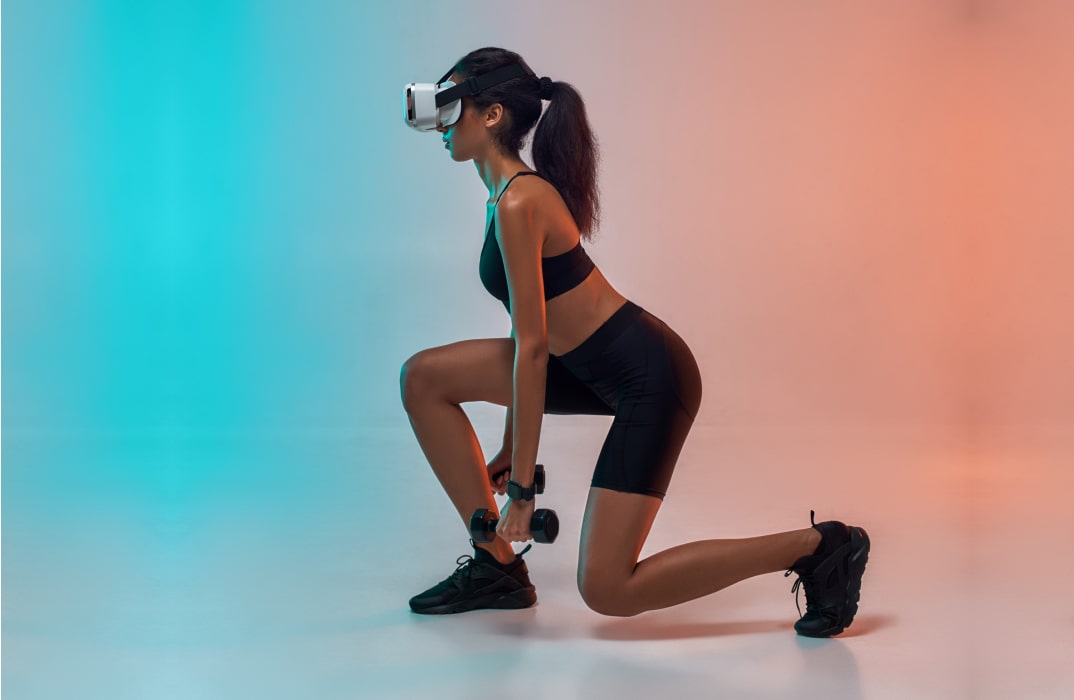
“Emerging Technologies and Trends …” from www.fitbudd.com and used with no modifications.
What makes VR fitness so attractive is the interactive programs on offer. These programs cover everything from high-intensity interval training (HIIT) to meditation and stretching sessions. They are designed to keep you involved, with real-time feedback that adjusts to your performance. As you get better, the programs grow with you, making sure that your workouts stay challenging and effective.
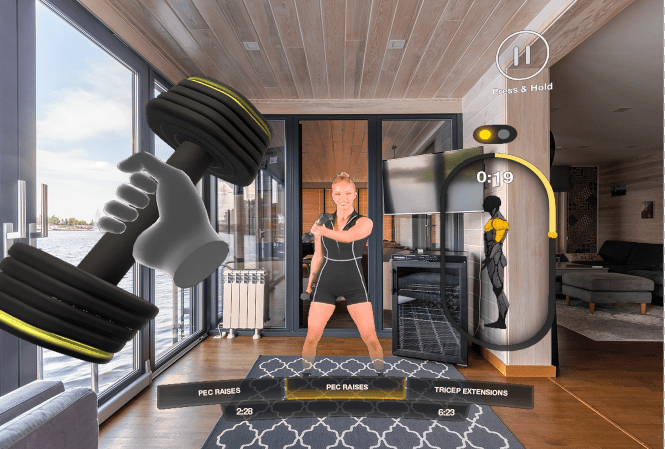
“VR Fitness App Lets You Workout With …” from vrscout.com and used with no modifications.
Monitor Your Progress with Built-In Software
One of the main advantages of VR fitness systems is that they allow you to monitor your progress. The built-in software can keep track of your heart rate, the number of calories you’ve burned, and how long you’ve been working out, among other things. This information isn’t just for showing off; it’s an essential tool for setting goals, monitoring your progress, and staying motivated.
Working with Wearable Tech
In addition, a lot of VR workout systems work well with wearable tech like fitness trackers and smartwatches. This combination gives you a more precise way to track your biometrics, giving you a complete picture of your fitness journey. Whether you love to crunch numbers or you’re just curious about your stats, this combination helps you see your health in a more complete way.
What Makes Up a VR Fitness Shed?
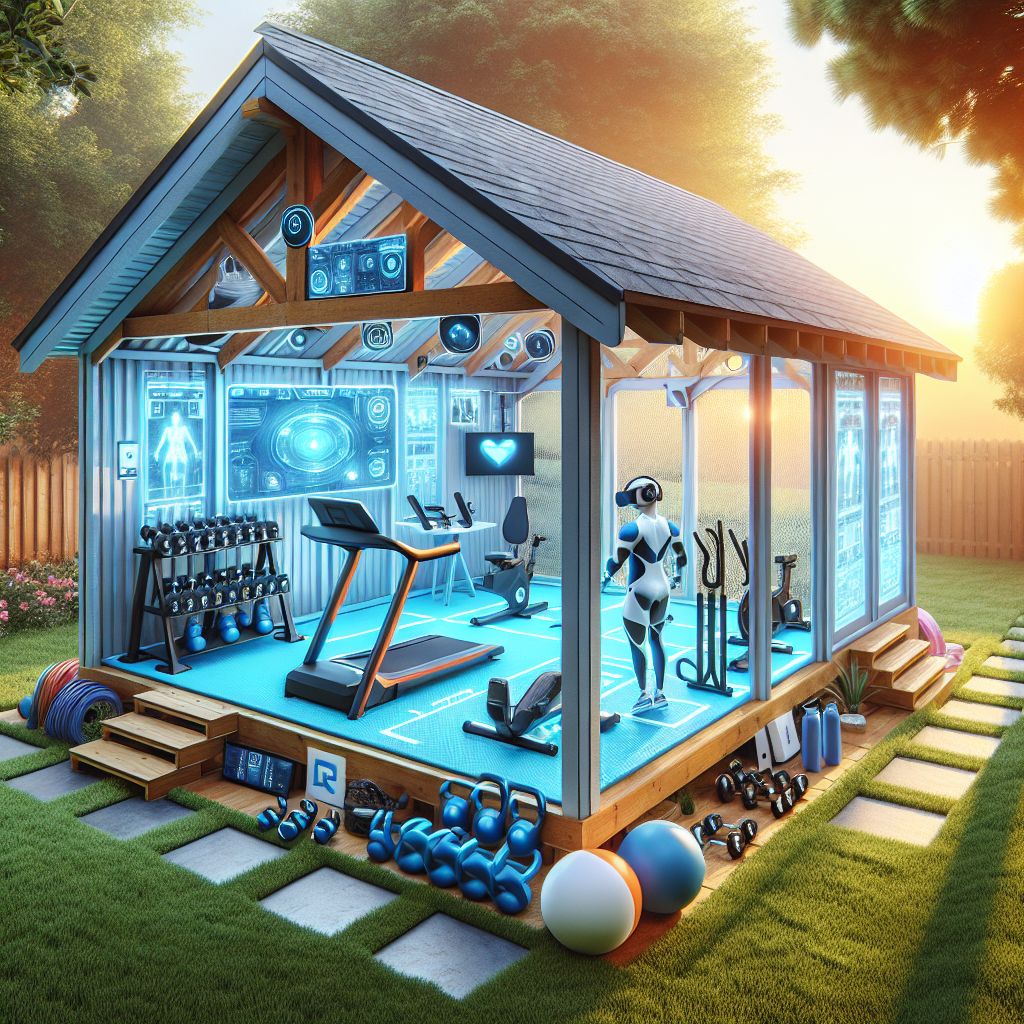
When we say VR fitness shed, we mean the crucial parts that make your virtual workout environment. It’s not just the headset that matters; there are several other important pieces of equipment that are needed for the complete experience.
First off, you’ll need a VR headset that can track your movements with precision. This is your portal into the virtual world of workouts. You’ll also need controllers, which will serve as your hands in the virtual world, enabling you to engage with the environment and do workouts.
Finally, you’ll need room. You don’t require a huge space, but you do need enough open space to move around safely without hitting furniture or walls. This is where the real world and the virtual world intersect, and safety is crucial.
What You Need for Your Virtual Gym
Before you get started, you’ll need the following: explore smart home gym ideas to ensure you have all the essentials for your virtual workout space.
A virtual reality headset that can track your movements
Controllers that you can hold in your hand
An area to play in that doesn’t have anything in the way
Once you have these basics, you can start to check out all the different VR fitness programs that are out there.
Optimizing Room for Motion and Protection
It’s essential to have sufficient space. A play area of at least 6.5 by 5 feet is necessary for most VR systems. You should also ensure that the area is well-ventilated and has a soft surface, such as a yoga mat or interlocking foam tiles, to lessen the strain on your joints during workouts.
Keep in mind that while the virtual world has no boundaries, your real-world space does. Always stay mindful of your surroundings to avoid any mishaps.
For instance, a user forgot to clear the space before starting a VR boxing workout and ended up punching a wall. This could have been avoided by properly setting up the play area and using the VR system’s boundary settings.
Traditional vs. Virtual Home Gyms
Cost Analysis of Setting Up
When comparing traditional home gyms to their virtual counterparts, cost is a significant factor. A traditional gym setup can quickly add up, with weights, machines, and equipment taking a toll on your wallet.
Regular home gym: $500 – $3000 for equipment such as treadmills, weights, and resistance bands.
VR home gym: $300 – $1000 for a VR headset, controllers, and software subscriptions.
The initial investment for a VR home gym is usually lower, and the recurring costs are minimal, making it a cost-effective option for many.
Getting a Complete Body Workout in Virtual Reality
Many people may question whether a virtual workout can truly substitute the physical equipment available in traditional gyms. The answer is a definite yes. VR fitness programs are created to provide a complete body workout, using bodyweight exercises, resistance training via controllers, and cardio through high-energy games and settings.
Not only are these workouts effective, but they can also be varied and tailored to your fitness level and preferences.
Obstacles to Virtual Reality Fitness
Addressing Motion Sickness and Safety Issues
Many people who are new to VR worry about motion sickness. To avoid this, begin with shorter workouts and select routines that are less likely to cause motion sickness. Also, make sure your VR headset is correctly adjusted to your head and the display settings are ideal for your vision.
Another important factor to consider is safety. Always remember to use wrist straps with your controllers to avoid them slipping out of your hands during intense workouts. Also, as stated earlier, ensure that your play area is clear and safe for movement.
Maintaining Physical Efficiency and Diversity
Although VR fitness is exciting, it’s important to make sure it’s still physically beneficial. Select programs that provide a mix of cardio, strength, flexibility, and balance exercises for a comprehensive workout. Also, change up your workouts to keep your body on its toes and to avoid hitting a plateau.
Virtual reality fitness provides a wide range of options, from ascending virtual peaks to dancing in a virtual club. This keeps the workouts interesting and fun, which is crucial for sticking to a fitness routine.
Choosing the Best VR System for Your Needs
Given the wide array of VR systems available, it can be daunting to decide which one is the best fit for you. Begin by thinking about the kinds of workouts you like and how immersive you want the experience to be. Are you interested in feeling as though you’re biking through rural landscapes, or do you prefer a vibrant dance workout? Each system provides a unique experience, so it’s crucial to choose one that matches your preferences and workout objectives.
Furthermore, consider whether the VR system is compatible with other devices you have, like smartphones or gaming consoles. Some VR systems are standalone, and others may need extra hardware. Make sure the VR system you pick has a wide range of fitness programs and fits your budget.
Establishing a Routine and Maintaining Regularity
Just like any other fitness routine, consistency is the key to VR fitness as well. To establish a routine, begin by setting achievable goals and scheduling your VR workouts just as you would schedule any other important commitment. Strive for a mix of different types of workouts throughout the week to keep things exciting and to work out different muscle groups.
Always keep in mind to pay attention to your body and take days off. Doing too much can result in exhaustion or harm, so it’s crucial to go at your own pace, particularly when you’re just getting started. As you get more at ease with VR exercises, you can slowly ramp up the intensity and length of your workouts.
Last but not least, monitor your progress. Several VR fitness systems include tracking features, or you could use a separate fitness tracker. Observing your progress over time can be a great source of motivation and can help you stick to your routine.
Common Questions and Answers
If you’re new to VR fitness, you might have a lot of questions. Here are some of the most common questions and answers to help you get started.
What Gear Do I Need to Begin VR Fitness?
Starting VR fitness necessitates a VR headset that can run fitness programs, controllers for interactive workouts, and ample room for safe movement. Some VR systems may also need a PC or gaming console to operate, so check the specifications before you buy.
Extra gear such as a yoga mat or foam tiles can offer a cozy surface for floor workouts and assist in outlining your exercise space. Although not necessary, wearable fitness trackers can enhance your VR system by offering comprehensive biometric information.
Does VR Fitness Help with Weight Loss?
Indeed, VR fitness can be a potent weapon in the battle against the bulge. It fuses the enjoyment of gaming with the rigors of a workout, making a fitness regimen easier to adhere to. As VR tends to make you exercise longer and more regularly, you can burn off a substantial amount of calories, which is critical for weight loss.
Does VR Fitness Enhance Muscle Strength?
VR fitness isn’t just for cardio and aerobic workouts – it can also help to enhance muscle strength. A lot of VR fitness programs include bodyweight exercises, resistance training, and high-intensity workouts that help to build strength. Some even allow you to use resistance bands or hand weights to make the workout more challenging.
Regularly working out with VR fitness for strength training can lead to muscle development and enhanced overall strength. Just like any workout program, the secret is to gradually up the difficulty and mix up your routines to keep your muscles challenged.
You can do bodyweight exercises like squats, lunges, and push-ups in a VR environment.
Games that require you to swing or punch can help you build upper body strength.
You can add resistance bands or hand weights to your VR workouts for added resistance.
How Much Room Do I Need for a VR Home Gym?

“Fit Woman using Virtual Reality Glasses …” from www.pexels.com and used with no modifications.
The amount of room you need for a VR home gym depends on what kind of workouts you’re planning on doing. For most VR fitness apps, a clear space of about 6.5 by 5 feet should be enough. Make sure you have enough space to extend your arms and move around without risking injury.
For those who want to take on more vigorous workouts, such as virtual boxing or dancing, it might be a good idea to clear a larger space. Don’t forget to establish safety boundaries in your VR system to avoid any mishaps.
Basic workouts require a minimum space of 6.5 by 5 feet.
For high-movement activities, a larger space is recommended.
Establish safety boundaries to prevent accidents.
Is it Safe for Beginners to Workout in VR?
Yes, beginners can safely workout in VR if they take the necessary precautions. Start with programs that are beginner-friendly and gradually increase the intensity as you get more comfortable with the movements. Use your VR system’s safety features, such as boundary settings, to avoid bumping into objects in your environment.
Moreover, make sure you have an open space to exercise and think about having someone watch or guide you through your first few workouts. Like with any new workout routine, it’s smart to check with a healthcare professional before you start, especially if you have any health issues already.
Adhering to these tips, novices can safely reap the rewards of VR fitness and incorporate it as an enjoyable and efficient segment of their workout regimen.


Leave a Reply