

What You’ll Learn
How to create an effective home gym for bodyweight fitness with minimal equipment.
A variety of calisthenics exercises suitable for both beginners and advanced fitness enthusiasts.
The importance of proper layout and safety to prevent injuries and maximize workout efficiency.
How parents can integrate fitness into their lives and engage with their children through exercise.
How to maintain motivation and consistency in your workout routine from the comfort of your home.
Take Control of Your Fitness: The Home Gym Revolution
Finding time to go to the gym can be difficult, especially for parents or those with busy lifestyles. But what if you didn’t need a fancy gym membership or expensive equipment to stay fit? With bodyweight fitness, you can build strength, flexibility, and endurance right in your own home. This guide will show you how to create a calisthenics shed gym that fits your fitness goals and lifestyle.
Establish Your Fitness Space
Before you get started, it’s important to set up a space in your home that’s dedicated to your fitness routine. You don’t need a huge basement or an extra room – a small corner in your living room or even your backyard can work perfectly. The main thing is to have enough room to move around freely without any obstacles. A yoga mat can help to define your workout space, and it will provide cushioning and grip for your exercises.
From Beginner to Expert: A Range of Exercises
Bodyweight exercises offer a great deal of flexibility. Whether you’re just starting out or you’re an experienced athlete, there’s always an exercise that will test your limits. Here’s a brief overview of the diversity you can anticipate:
Beginners: Start with the basics, such as squats, push-ups, and lunges to build a strong foundation.
Intermediate: Add in planks, dips, and step-ups to increase the intensity and work different muscle groups.
Advanced: Push your limits with pull-ups, handstands, and muscle-ups for a full-body challenge.
Get the Most Out of Your Calisthenics Shed with a Good Layout

Being organized is key to a smooth workout. By placing your equipment in the right places, you can move from one exercise to the next smoothly and stay focused on your fitness goals.
Smart Storage: A Home for All Your Gear
No matter how tight your space, there’s a spot for all your stuff. Wall-mounted pull-up bars are a great way to save floor space and get the ideal setup for upper body routines. Keep resistance bands and jump ropes on hooks or shelves – these basic tools can greatly increase your range of exercises.
First Things First: Avoiding Injuries with Proper Setup
Having a tidy space isn’t just for looks; it’s for your safety. Make sure all equipment is stable and won’t move while you’re using it. Keep the floor clean to avoid tripping and falling, and if you’re using a door frame for pull-ups or resistance band exercises, ensure it’s strong enough to hold your weight.
Keep in mind that a workout that is safe is a workout that you can maintain. When you take the time to properly prepare your workout area, you’re making a long-term investment in your health and fitness.
The Best Equipment for Mastering Bodyweight Exercises

In calisthenics, simplicity is key. You don’t need a ton of equipment to get a full-body workout. Here’s what you really need: explore these essential home gym shed add-ons to enhance your training.
Must-Haves: The Basics for a Flexible Workout
Pull-Up Bar: The fundamental piece of equipment for upper body calisthenics, great for pull-ups, chin-ups, and leg raises.
Resistance Bands: Increase resistance for bodyweight exercises or aid with difficult moves like pull-ups.
Yoga Mat: Adds comfort for floor exercises and helps define your workout space.
The Extras: Boosting Your Exercise Capacity
In addition to the essentials, consider these extras to improve your workout:
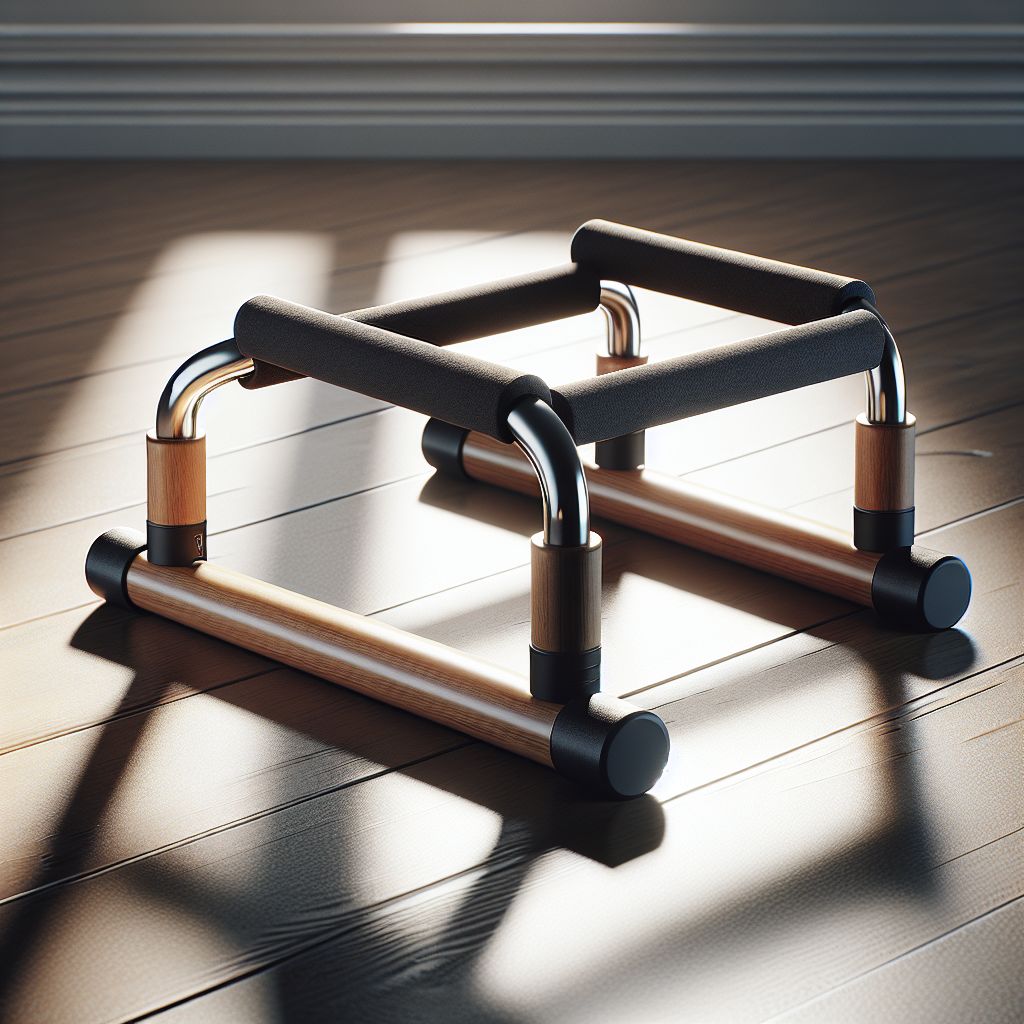
Parallettes: These are excellent for dips, L-sits, and handstand push-ups, providing a range of motion and stability.
Jump Rope: This is an amazing tool for cardio and coordination, easy to store and ideal for quick, intense workouts.
Weighted Vest: This can safely and effectively increase the difficulty of exercises like push-ups and squats.

Most importantly, choose equipment that matches your goals and interests. There’s no sense in filling your space with gear you won’t use. Start with the basics and build from there as you improve.
Turning Parents into Fitness Trailblazers
Parents face a unique hurdle in maintaining their fitness: finding the time. When you have children, your home can seem more like a jungle gym than a place to exercise. But here’s the silver lining – you can transform this hurdle into a chance. By incorporating fitness into your family routine, you not only provide a healthy model for your children but also manage to fit in some precious workout time for yourself.
Fitting in Fitness: Fast Workouts for Busy Parents

When you’re a parent, every minute counts, and your workouts need to be effective. Fast routines that you can do in 15-20 minutes while the kids are napping or playing can be a lifesaver. Consider burpees, mountain climbers, and high knees – exercises that quickly raise your heart rate and can be done anywhere. The key is to keep the intensity high and the rest periods short.
Double Duty Workouts: Stay Fit While Engaging with Your Kids
Working out doesn’t have to be a solitary activity. Make it a family affair by incorporating your kids into exercises that are both fun and beneficial for them. Consider bear crawls, frog jumps, or even a mini obstacle course. This way, you’re not only getting in a workout, but also spending quality time with your kids and instilling in them the importance of staying active.
For Fitness Lovers: Honing Your Abilities with Accuracy
If you’re already a fitness fanatic, calisthenics can aid in the fine-tuning of your abilities and elevating your exercise routine. The allure of bodyweight training is the necessity of gaining mastery over your own body, resulting in enhanced balance, coordination, and power.
Next-Level Moves: More Than Just the Fundamentals
When you’re prepared to take things to the next level, delve into the world of advanced calisthenics techniques. Hone your skills in handstand push-ups, front levers, and planche progressions. Not only do these moves look cool, but they’re also fantastic for developing practical strength and muscle tone.
Boost Your Results: Intensity Without the Weights

Whoever said you need weights to build muscle was wrong. You can increase the intensity of your bodyweight exercises and continue to see progress. Try adjusting the tempo, leverage, and angles of exercises like push-ups and squats to make them more challenging. Slow down your reps, increase the volume, and try one-limb movements to keep the progress going.
Constructing Your Economical Shed Gym
Establishing a home gym doesn’t need to be costly. With a touch of imagination and a can-do attitude, you can construct a useful exercise area on a shoestring budget. The secret is to concentrate on versatile equipment and maximize the use of what you already own.
Maximize Your Space: Small Space, Big Results
Make the most of your space with equipment that can be stored away when not in use. A pull-up bar that fits in your doorframe, for example, can be taken down and stored with ease. Resistance bands are another great option that can be stored in a drawer. And don’t forget, your own bodyweight is the best piece of equipment you have – it doesn’t cost a thing and it’s always there when you need it. For more ideas, check out this guide on Calisthenics Equipment for Home.
Make Your Own Gym: Build Your Personal Fitness Toolkit
Find innovative ways to use everyday objects to step up your exercise routine. A solid chair can be repurposed for step-ups and tricep dips, while a loaded backpack can increase the intensity of squats and push-ups. With a little creativity, you can turn nearly anything into a piece of exercise equipment. For more smart home gym ideas, explore ways to integrate fitness into your busy lifestyle.
How to Stay Motivated: Consistency is Key
Staying motivated is key to your long-term fitness success. By setting clear, achievable goals and keeping track of your progress, you can stay focused and on track. Remember, it’s not about how hard you work out one time, but how consistently you work out over time.
Setting Goals: Your Map to Success
Use SMART (Specific, Measurable, Achievable, Relevant, Time-bound) goals to guide your fitness journey. Whether you want to master a new exercise, increase your stamina, or simply commit to a regular workout routine, having clear goals will give you the guidance and motivation you need to succeed.
Keeping Track: See Your Results Over Time
It’s beneficial to keep a record of your workouts. Write down the exercises you do, the number of repetitions and sets, and any progress you notice. Seeing your progress in writing can be very inspiring and can help you tweak your routine to keep pushing yourself as you get stronger.
By adhering to these steps and adopting the principles of bodyweight fitness, you can build a sustainable and efficient workout routine that suits your lifestyle. Remember, fitness is a journey, not a destination, and every small step is significant. So go out there, start where you are, use what you have, and do what you can. Your body – and your family – will appreciate it.
Set Goals: Your Roadmap to Success
Think of setting goals as creating a roadmap. If you know your destination, you’re more likely to reach it. Begin by determining what you hope to accomplish with your calisthenics workouts. Perhaps you want to be able to do a pull-up, increase the number of push-ups you can do, or hold a plank for two minutes. Whatever your goal, write it down and be specific.
Next, separate it into smaller steps. If your goal is to do a pull-up, begin with dead hangs, then proceed to negative pull-ups, and so forth. These smaller steps are your milestones, and reaching each one will provide you with a sense of progress and maintain your motivation.
Monitoring Your Progress: Quantifiable Improvements Over Time
There’s nothing quite like the satisfaction of looking back and realizing how much you’ve grown. That’s why it’s crucial to keep track of your progress. Use a basic notebook or a mobile app to jot down your workout sessions. Make a note of the exercises, the number of sets, and any personal observations about how you felt or what you could do better. This record will, over time, demonstrate your significant improvement and serve as a potent motivator to keep you going.
Adjusting Workouts to Fit Your Life
Life is full of surprises, and sometimes our workouts get pushed to the back burner despite our best intentions. That’s okay. The important thing is to be flexible. If you miss a workout, don’t get down on yourself. Instead, look at your schedule, find the next time you’re free, and schedule it in. It’s consistency, not perfection, that brings long-term results.
Adaptable Workouts: Exercise When You Can
There’s no need to set aside a full hour daily to stay in shape. Even if you only have ten minutes, you can still get a good workout in. High-Intensity Interval Training (HIIT) is perfect for those with limited time. Remember, you’re not trying to find time, you’re making time—even if it’s only a small amount.
Keep the Ball Rolling: Perseverance
There will always be roadblocks on the path to fitness, but it’s how you handle them that matters. If you’re finding it hard to stay motivated, switch up your routine. Experiment with new exercises, set new targets, or workout with a buddy. Keep it interesting, keep it enjoyable, and keep making progress.
Occasionally, the most significant hurdle is our own mental state. Remember why you embarked on this path. Consider the advantages you’ve already gained, and visualize how much better you’ll feel as you progress. Fitness is a lifelong endeavor with highs and lows, but every move is worthwhile.
Remember, you’re not on this journey alone. You can join online fitness communities, find local exercise groups, or link up with friends who have the same fitness objectives as you. There’s power in numbers, and having people who support you can be a game changer.
Common Questions and Answers
You have questions, I have answers. Let’s explore some frequently asked questions about bodyweight fitness and calisthenics.
What is the Bare Minimum of Equipment Needed to Start Calisthenics?
For you to start calisthenics, you actually need very little equipment. At the very least, all you need is your body. However, a few items can help you progress faster and add variety to your workouts:
A robust pull-up bar for exercises that target the upper body.
Resistance bands for an extra challenge or a bit of help.
A yoga mat for a bit of cushioning during floor exercises.
With just these three pieces of equipment, you can do a variety of exercises and work on building a body that’s strong, flexible, and well-balanced.
Is it Possible to Build Muscle with Only Bodyweight Exercises?
Definitely! Bodyweight exercises can be highly effective for muscle building. The trick is to constantly push your muscles by increasing the intensity of the exercises, altering the pace, or adding more reps. As you get better, exercises like one-arm push-ups or pistol squats can pose a significant challenge, leading to muscle development and increased strength.
What Are Some Ways Parents Can Get Their Kids Involved in Calisthenics?
Parents can make working out a family affair by including their children in easy and enjoyable bodyweight exercises. Set up a small circuit with exercises like jumping jacks, squats, and animal walks, or turn exercise into a game with activities like ‘Simon Says’. This not only gets kids moving, but it also shows them the importance of living a healthy lifestyle.
What Are Some Advanced Calisthenics Exercises for Experienced Athletes?

Experienced athletes can challenge themselves with exercises like advanced calisthenics exercises.
Powerful pull-ups
Applauding push-ups
Block leaps
Strength-ups
Inverted push-ups
These workouts demand a blend of might, energy, and mastery, and they can elevate your fitness to unprecedented levels.
How Can I Keep My Motivation Up When I’m Exercising Alone at Home?

It can be challenging to keep your motivation up when you’re exercising alone, but it’s definitely doable. Establish specific goals, monitor your progress, and celebrate your achievements, even if they’re minor. Make a workout playlist to keep you motivated, and if you’re feeling lonely, participate in a virtual workout class or invite a friend to a fitness contest. Keep in mind that the secret to motivation is remembering why you began.


Leave a Reply